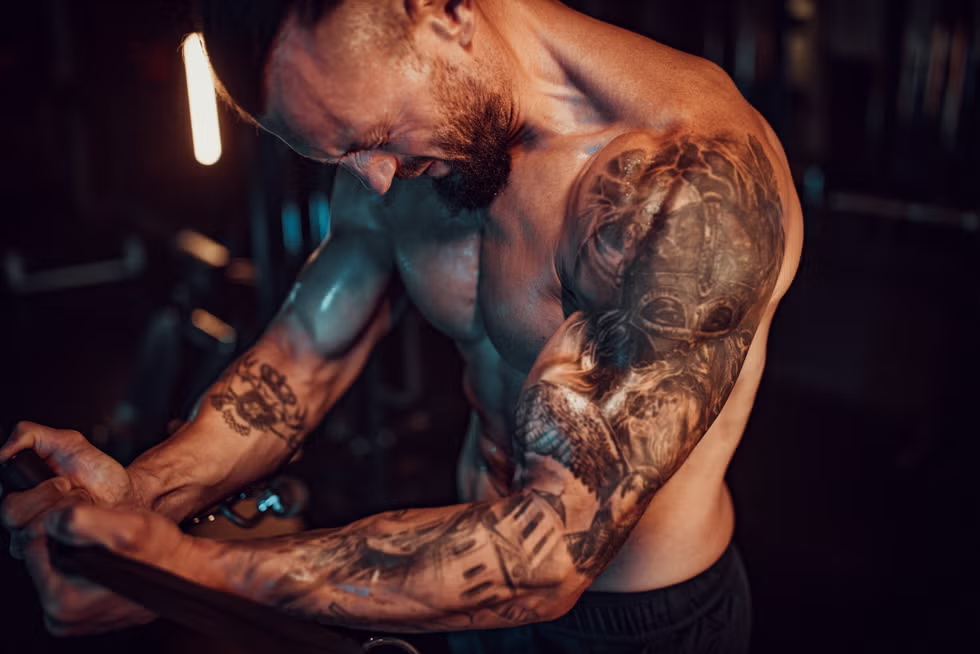
The short answer on when you can train again
Take at least the first 48 hours completely off from any workouts. Your new tattoo is an open wound, and giving it two solid days of rest lets your body seal the surface without fighting added sweat or mechanical strain. Your artist’s specific instructions always come first, so follow their directions if they give you a stricter window.
Healing happens in two distinct stages. The outer layer of skin generally closes in two to three weeks, but the deeper dermal layers take anywhere from three to four months to fully rebuild underneath. Because the skin remains fragile long after the top feels dry, jumping straight back into heavy lifting or intense cardio risks stretching and irritating the recovering tissue.
Here is a safe baseline for easing back into movement:
- Days 1 to 2: Complete rest with no training or heavy sweating.
- Day 3 through week 1: Light, low-sweat activities like easy walking are fine, as long as your clothing does not rub the area.
- Weeks 1 to 2: Moderate gym sessions and lifting can resume, provided the weights and equipment do not press against or pull on the tattooed skin.
Why sweat, friction, and gym gear threaten healing ink
Understanding why your body needs that initial break comes down to three main gym hazards: moisture buildup, direct rubbing, and dirty surfaces.
A common myth claims that working out will literally leach the ink right out of your skin, but sweat does not dissolve pigment. The real problem is what happens when warm moisture sits on an open puncture wound. Sweat pooling under heavy clothing traps grime and irritates fragile tissue, creating the exact environment bacteria need to flourish.
Friction creates an entirely separate risk. Repetitive rubbing from tight athletic fabrics, sports bra bands, or heavy gym bag straps wears down the skin before it can recover. Scuffing that healing surface pulls off protective scabs ahead of schedule, which delays your overall recovery and can leave patchy gaps in your finished lines.
The biggest threat in any fitness facility is the shared gear. Shared vinyl benches, foam squat pads, and yoga mats carry grime and bacteria. Pressing broken skin directly against those surfaces gives microbes a clear path into the wound, turning what should have been routine healing into a serious infection.
How placement changes your workout timeline
Where you put your tattoo matters just as much as how big it is. Skin stretches, bunches, and rubs against fabric depending on the joint, so your recovery calendar has to match your anatomy.
- Joints and flex points: Areas that bend all day, such as elbows, knees, ankles, knuckles, and the stomach, need the longest break. Repeatedly stretching, twisting, and flexing stresses the deeper dermal layer while it rebuilds, keeping the spot tender and inflamed.
- Hands and feet: Gripping barbells or textured dumbbells puts harsh mechanical friction on hand tattoos, while laced running shoes constantly grind against healing feet.
- Back, chest, and shoulders: Lying flat on a vinyl bench press or pulling against rowing pads puts direct loading right over recovering ink. Plan to give upper-body tattoos at least two weeks of clearance before loading those contact points again.
If you are itching to move during days 4 to 7, train only the muscle groups far away from the tattoo site. If you have fresh ink on your forearm, stick to light leg presses or bodyweight squats. If your calf is healing, focus on seated upper-body work while keeping your lower leg free from sweat-soaked socks and floor contact.
Rules for your first session back
Once your tattoo is past the initial rest window, easing back into the gym takes a little planning. The goal during that first workout back is simple: protect the open skin from bacteria, cut down on rubbing, and clean up immediately.
- Wear loose, breathable clothing. Skip tight compression sleeves, tight leggings, or snug sports bras over the area, since athletic fabrics that squeeze or rub against healing skin cause irritation.
- Sanitize everything and keep your distance. Wipe down gym equipment before you touch it, but treat that as a backup plan. The safest move is keeping your healing ink completely off shared surfaces like weight benches, yoga mats, and squat pads, which harbor bacteria.
- Wash up the minute you finish. Sweat left sitting on healing skin invites problems, so head straight to the sink or shower as soon as your workout ends. As guidance from Medical News Today notes, use lukewarm water and clean fingers rather than an abrasive washcloth to lather up with a mild, unscented soap.
- Dry fully before moisturizing. Pat the area dry with a clean paper towel and let the skin air dry completely. Trapping gym moisture under lotion can spark a heat rash, so wait until it is totally dry before smoothing on a thin layer of your artist’s recommended aftercare ointment or lotion.
Workouts and environments to skip entirely
Even if you feel ready to lift or jog, certain settings and activities carry far too much risk for broken skin. Skip these workouts until your tattoo completely heals:
- Swimming and soaking: Stay out of pools, lakes, oceans, and hot tubs for at least two to four weeks. Chlorinated water irritates raw tissue, while natural bodies of water expose open skin to bacteria. Submerging a fresh tattoo before the outer skin completely seals puts you at serious risk for infection.
- Saunas and steam rooms: Skip dry saunas, steam rooms, and hot yoga until the skin has finished peeling and completely healed, which typically takes two to four weeks. Trapping intense heat and moisture against an open wound causes irritation and creates an ideal breeding ground for bacteria.
- Contact sports and martial arts: Hold off on wrestling, Brazilian jiu-jitsu, basketball, and football for four to six weeks. US Masters Swimming guidance on new tattoos points out that a healing tattoo is an open wound, and the heavy impact, mat burns, shared skin contact, and scrapes from contact drills can easily tear scabs and ruin the design.
Signs that mean you need to pause and see a doctor
Mild soreness, slight swelling, and pink skin are normal for the first two or three days after your appointment. If those symptoms get worse after that window rather than steadily improving, stop working out and take a close look at the area. Physical strain increases blood flow and sweat buildup, which can quickly turn minor skin irritation into a full complication.
Set your gym shoes aside immediately if you spot clear symptoms of an infection:
- Deepening redness, heat, or swelling that spreads several days after your session.
- Red streaks radiating outward from the edges of your tattoo.
- Yellow or green fluid, oozing pus, or a foul smell coming from the wound.
- A fever, body chills, or persistent nausea.
- Raised, itchy, or painful bumps that stay swollen for more than a week.
According to Ohio State University health guidance on tattoo infections, severe pain, rapid swelling, or a fever mean you need prompt medical evaluation. Let your artist know what is going on so they have notes on your piece, but don’t wait for a reply from the shop before getting treatment. Over-the-counter healing salves cannot knock out bacterial complications, so head straight to an urgent care clinic or your doctor for proper antibiotics.